
How to stop overspending when your budget keeps breaking
Why budgets keep breaking, and how to stop overspending: five research-backed steps for the month you go over budget.

Panos
· 6 min read
In this post
It’s the 20th of the month, and the groceries budget is already used up. A birthday present went on it, and the week the car needed new tires didn’t help. Opening the app now feels like opening a bad school report, so you stop opening it. Next month you start again with the same numbers, and the same thing happens.
Most budgets break because they’re built from a typical month, and very few months are typical. Overspending now and then doesn’t mean you’re bad with money. It usually means the budget left out the irregular costs that turn up almost every month. The way to stop overspending month after month is to keep recording, find what pushed you over, and set next month’s number with those costs in mind.
Is it normal to go over budget?
Yes, and it’s far more common than it feels. When researchers asked almost 4,000 people in the US how they handle their money, about two in three said they keep a budget, most of them month by month. Asked what they’d do after overspending in one area, more than 85% said they’d change something: spend less somewhere else, or adjust the limit.
Going over is part of how budgets work. Most people who keep one go over sometimes and then correct course. What matters is how you correct, and whether you keep looking while you do.
Why do budgets keep breaking?
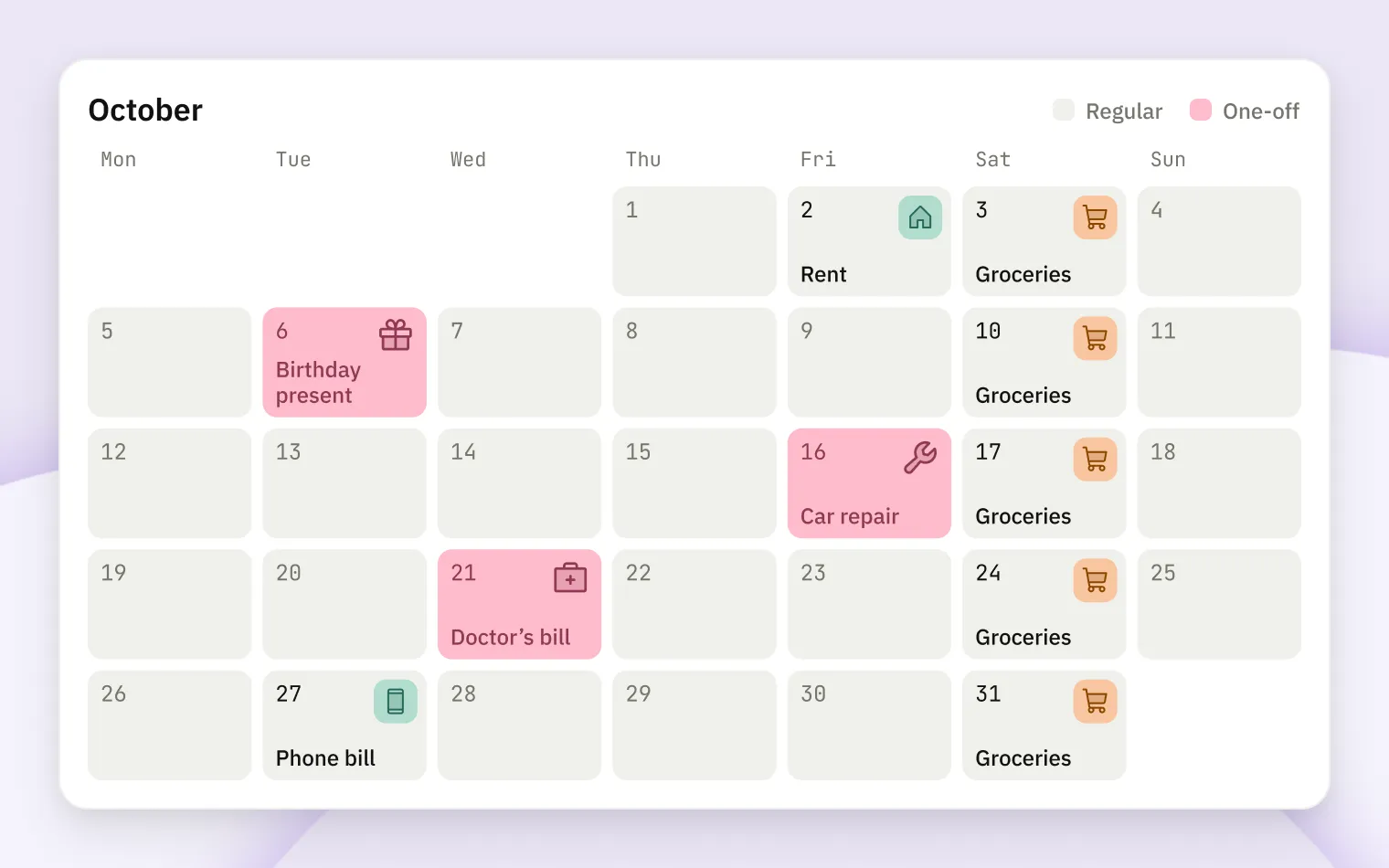
When you plan a month, you picture the regular costs: rent, groceries, fuel, the phone bill. You don’t picture the rest, because the rest doesn’t feel regular.
In one study, a group of credit union members in Canada guessed how much they’d spend each week for five weeks, then wrote down what they actually spent. Every week they spent about $100 more than they’d guessed, roughly $400 a month. The same researchers ran nine more experiments with thousands of people and kept seeing it. People guessed from the usual costs and forgot the irregular ones: a car repair, a last-minute concert ticket, a one-off doctor’s bill.
Each of those costs feels like a one-off, so we treat it as a separate decision instead of part of the budget. A birthday present this month, a car repair the next. Each one is unusual, but having one at all is completely normal. Two researchers who studied this named their paper after it: the exception is the rule.
Why going over makes people stop looking
Once a budget breaks, a lot of people stop checking it. It’s known as the ostrich effect, and it shows up well beyond budgets. Researchers who looked at how often people check their pensions and investments, in Sweden and the US, found that they logged in more when markets were going up than when they were flat or falling. When the news might be bad, we look away.
A full budget bar is bad news, so it gets the same treatment. That’s a problem, because the month you go over is the one with the most to teach you, and it’s also the one most likely to go unrecorded. As I wrote in an earlier post on manual expense tracking, a gap in the record looks exactly like money you didn’t spend.
Keeping the record going is what pays off. When psychologists pulled together 138 studies on goals, they found that people who kept track of their progress were more likely to get where they wanted, especially when they wrote it down.
What to do when you go over budget
Learning how to stick to a budget mostly comes down to what you do in the months you don’t. These steps take a few minutes at the end of a month you went over, and they work with any budget, on paper or in an app.
- Keep recording until the month ends. It’s tempting to give up on a month that’s already over, but the rest of it is what tells you what really happened.
- Find what pushed you over. Was it one irregular cost, like a repair or a gift? Or was the whole category higher than your cap, week after week?
- Leave this month’s cap alone. Raising it now to match what you spent makes the month look fine and hides what you just learned.
- Set next month on purpose. If an ordinary month went over, the cap was too low, so raise it. If one irregular cost did it, keep the cap and plan for costs like that separately. Before you settle on a number, write down a few reasons next month might be different from this one. When the credit union members did exactly that, their guesses landed within $7 of what they really spent.
- Use the new month. People find it easier to restart when something new begins. Researchers at Wharton saw gym visits go up by 14% at the start of a month, and commitments to reach a goal rose by 24%. A month that went over is a good reason to use the next one well.
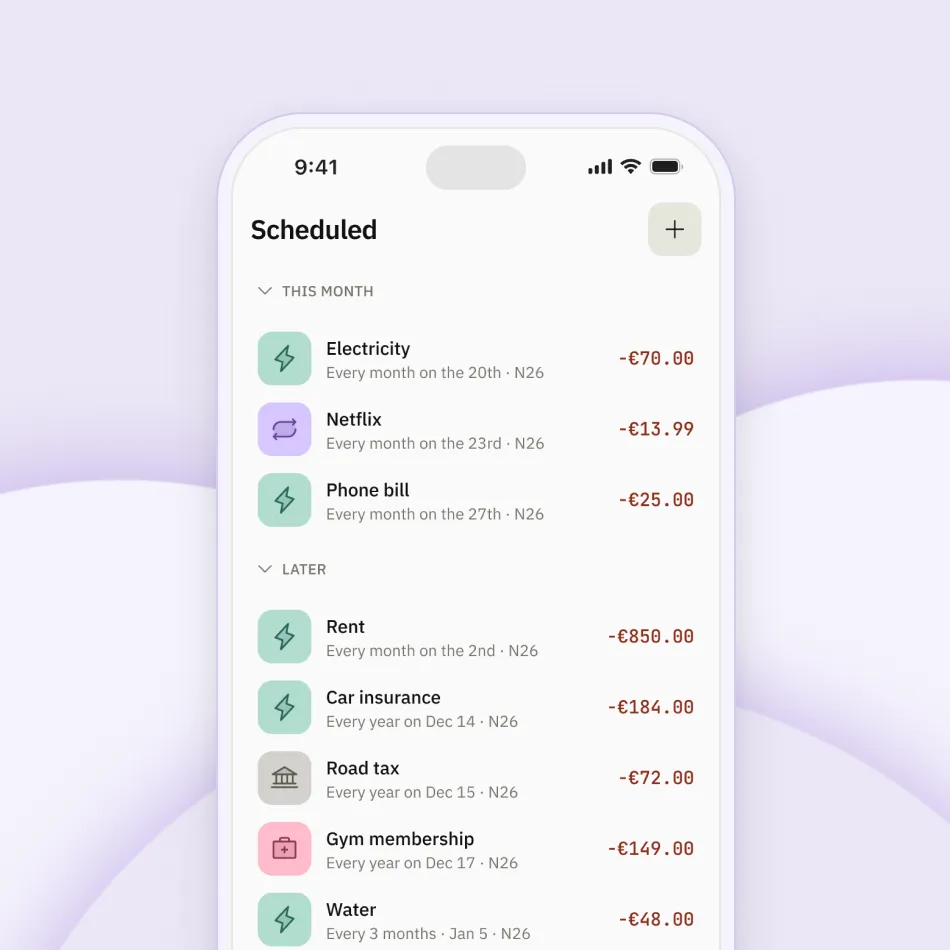
Every December, my car insurance, road tax, and yearly gym membership all come out in the same week. One year I forgot to plan for them, and December ended about €400 over. Now each one is a scheduled payment in Quidough that repeats every year. I can see them coming in my Scheduled list, so I plan December around them. When each one goes out, I record it with one tap.
What a budget is for
A budget is your plan for the month. Your record is what actually happened. The useful part is the gap between them, because that’s where you learn something about your own money. A budget doesn’t predict your month, and going past it doesn’t cancel it. A cap you keep an honest record of is more useful than a cap you keep resetting.
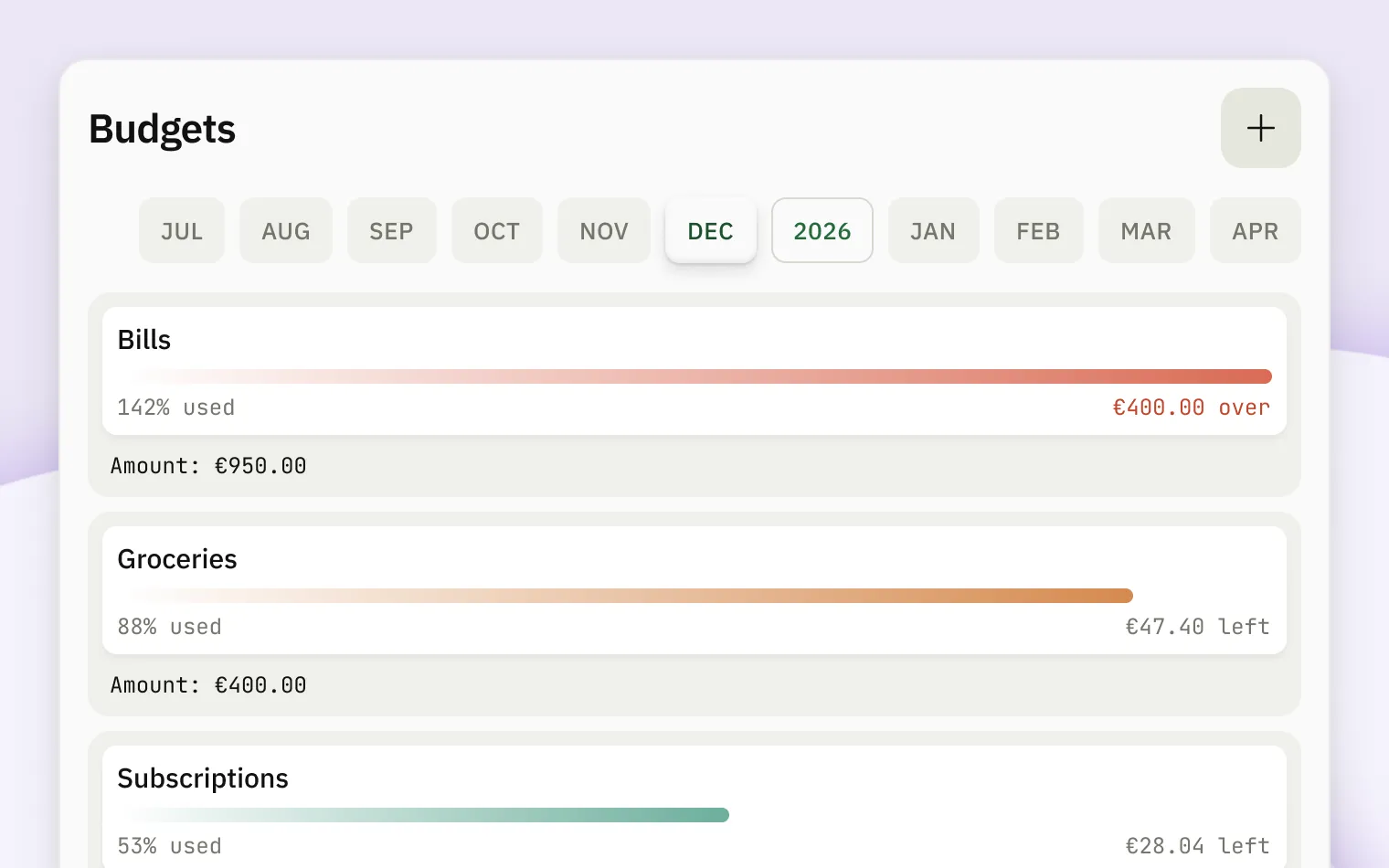
That’s how budgets work in Quidough. When you change a cap, you choose whether it starts this month or next, and every earlier month keeps the cap it actually had. So “did I stay under in May?” is always measured against May’s real cap, not one you set later. The bar changes color as you get close, and once you pass the cap it shows exactly how much you’re over. Delete a budget, and its earlier months stay as they were.
Before you set next month’s budget, take a minute to list what might be different, like a birthday coming up or a yearly renewal. For the credit union members, that one step closed most of the gap between what they expected to spend and what they spent. If you’d like somewhere to keep the record, the first month of Quidough is free, and you don’t need a card to start.